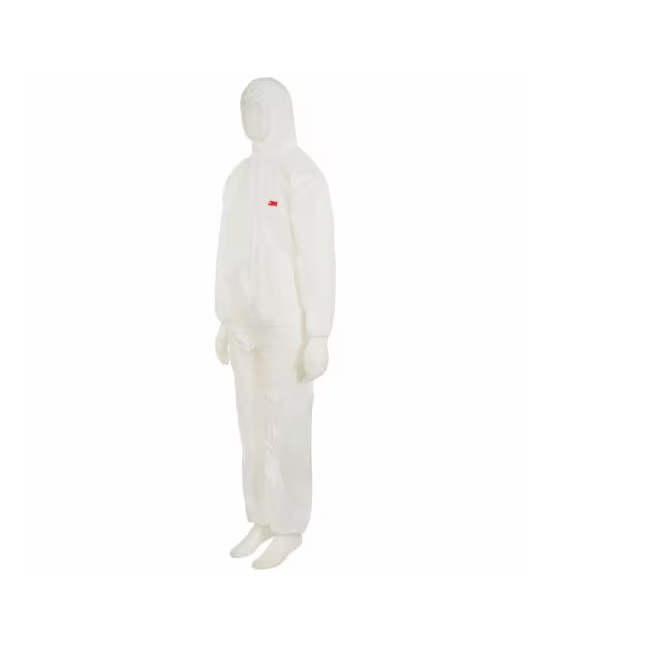
A coverall refers to a type of full-body protective garment designed to shield healthcare workers and others from exposure to hazardous substances, pathogens, or infectious agents. These garments are often part of Personal Protective Equipment (PPE) and are essential in environments where contamination risks are high, such as hospitals, laboratories, and emergency response settings.

Coverall supplier UAE
Coverall supplier Abu Dhabi
Coverall supplier Dubai
Coverall supplier Sharjah
Coverall supplier Ajman
Coverall supplier Ras Al Khaimah
Coverall supplier Fujairah
Coverall supplier Umm Al Quwain
in medical terms, is a full-body protective garment that serves as an essential component of personal protective equipment (PPE). It is designed to provide comprehensive coverage, shielding the wearer from exposure to hazardous substances, infectious agents, or contaminants commonly encountered in healthcare settings, laboratories, or emergency response scenarios. Made from specialized materials such as polypropylene, polyethylene, or advanced laminated fabrics, medical coveralls are both durable and impermeable, ensuring maximum protection while maintaining comfort and breathability for extended wear
The design of a medicalis highly functional, incorporating features such as elasticized cuffs, ankles, and hoods to create a secure barrier against contaminants. The front closure, often a zippered mechanism covered by an additional flap, ensures that the garment remains sealed, minimizing the risk of exposure. These garments are crafted to meet stringent safety and hygiene standards, such as ISO or CE certifications, to ensure their effectiveness in diverse environments. Depending on the intended application, coveralls may be sterile or non-sterile, with sterile versions typically reserved for surgical settings or highly controlled environments where maintaining a contaminant-free zone is critica
Medical coveralls are indispensable in infection control, providing protection against bloodborne pathogens, bodily fluids, and airborne particles that pose risks to healthcare professionals and patients alike. They are also widely used during epidemic or pandemic situations, such as the COVID-19 outbreak, where minimizing the transmission of infectious diseases is paramount. Furthermore, coveralls play a crucial role in chemical protection, offering a reliable barrier against hazardous chemicals encountered in laboratories or during decontamination processes
The adaptability of coveralls is evident in their variations, which include disposable single-use options designed for high-risk scenarios and reusable versions that can be sterilized for repeated use. This versatility ensures their applicability across a wide range of medical and industrial settings. As a critical element of safety protocols, medical coveralls provide not only physical protection but also peace of mind to those working in high-stakes environments, enabling them to perform their duties with confidence and security
Personal Protective Equipment (PPE) is a broad category of specialized clothing, gear, and accessories designed to safeguard individuals from potential hazards in their work or immediate environment. In the context of healthcare and medical settings, PPE serves as a vital barrier between healthcare workers and potential exposure to infectious agents, harmful chemicals, or physical injuries. Its primary role is to minimize the risk of transmission of diseases, ensuring the safety of both healthcare providers and patients. The importance of PPE became especially evident during global health crises, such as the COVID-19 pandemic, where its proper use was critical to controlling the spread of the virus and protecting frontline worke
PPE encompasses a wide range of equipment, including gloves, masks, gowns, goggles, face shields, and Each component is designed for a specific purpose, often to protect a particular part of the body. For example, gloves provide a barrier against direct contact with contaminants on surfaces or bodily fluids, while masks and respirators shield the respiratory system from airborne particles and pathogens. Goggles and face shields protect the eyes and face from splashes, droplets, or chemical exposure, and gowns or coveralls offer full-body protection against contaminants that may adhere to clothing or skin. These items are often used in combination, creating multiple layers of defense depending on the level of risk in the environm
The effectiveness of PPE depends on several factors, including the quality of materials used, proper fit, and correct usage. Healthcare professionals undergo training to understand the appropriate donning and doffing techniques, as improper handling can compromise the protective barrier and increase the risk of contamination. Many types of PPE, particularly those used in high-risk scenarios, such as disposable gowns or respirators, are designed for single-use to ensure maximum hygiene. However, some items, like goggles or certain types of can be sterilized and reused if they meet the necessary standards for durability and decontamination
Regulatory bodies like the World Health Organization (WHO), Centers for Disease Control and Prevention (CDC), and Occupational Safety and Health Administration (OSHA) provide guidelines and standards for the use of PPE in different environments. These guidelines ensure that PPE not only offers the intended level of protection but also meets ergonomic and safety criteria to avoid hindering the wearer’s mobility or performance. For instance, healthcare workers operating in high-stress or emergency settings require PPE that allows them to move freely while maintaining a secure protective barrier
In addition to its application in healthcare, PPE is widely used across industries such as construction, manufacturing, agriculture, and chemical processing, where workers are exposed to physical, chemical, or biological hazards. The design and materials of PPE vary significantly depending on the specific risks involved. For example, chemical-resistant gloves and suits provide protection in industrial settings, while flame-resistant materials are used in garments designed for firefighters or workers handling flammable substances
PPE plays an indispensable role in promoting safety, reducing workplace injuries, and ensuring public health. Its importance is underscored by ongoing research and innovation aimed at improving the comfort, effectiveness, and environmental sustainability of these protective tools. As global challenges evolve, including emerging infectious diseases and advancements in industrial processes, the development and adoption of PPE continue to be a cornerstone of occupational and public safety effortsrs

Joseph VT –
Coverall – good quality ⭐️⭐️⭐️⭐️⭐️