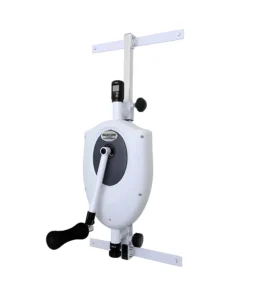
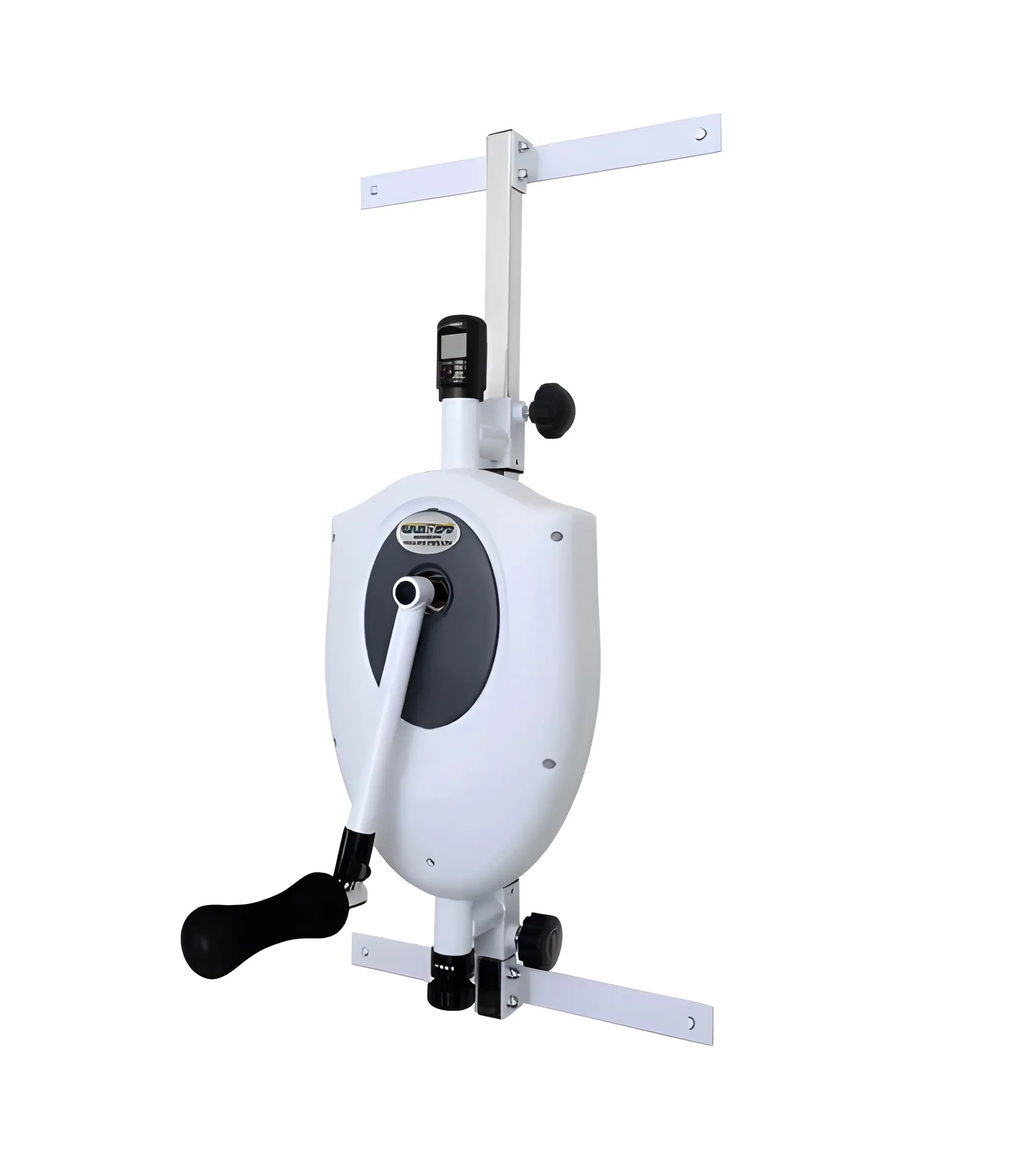
Adjustable height allows for sitting, standing, or wheelchair access Arm adjusts from 13 to 22 inches to adjust the arc of the shoulder wheel Units use 2 AA batteries (included)
Country of origin: Taiwan
# Shoulder Wheel Supplier UAE
A **Shoulder Wheel** is a rehabilitation and physiotherapy device designed to support controlled shoulder movement and upper-limb exercises. It is commonly used in physiotherapy clinics, rehabilitation centres, hospitals, and sports recovery facilities. The equipment provides a structured way to perform rotational movements while allowing healthcare professionals to guide exercises according to individual mobility requirements.
## What Is a Shoulder Wheel?
A **Shoulder Wheel** is typically designed with a circular wheel, handle, and mounting system that enables controlled arm movement. Depending on the model, it can be installed on a wall or incorporated into a rehabilitation unit. Physiotherapists can use the equipment during supervised sessions to encourage gradual movement and support functional exercise programmes.
The design makes it suitable for facilities that provide physiotherapy, occupational therapy, and rehabilitation services. Before selecting a model, healthcare providers should consider the available space, mounting requirements, construction, adjustment options, and intended applications.
## Uses in Physiotherapy
Shoulder rehabilitation often involves progressive exercises selected according to a person’s mobility and treatment plan. A **Shoulder Wheel** can form part of these supervised routines by providing a controlled platform for upper-limb movement.
Common applications include:
* Shoulder mobility exercises
* Range-of-motion training
* Upper-limb rehabilitation
* Post-injury exercise programmes
* Functional movement practice
* Supervised physiotherapy sessions
* Rehabilitation and recovery programmes
The type and intensity of exercise should always be determined by a qualified healthcare professional. Proper positioning and controlled movement are important when rehabilitation equipment is used in a clinical setting.
## Choosing the Right Equipment
Healthcare facilities should evaluate rehabilitation equipment based on practical and clinical requirements. Important factors may include wheel size, handle design, adjustment mechanism, mounting configuration, materials, available space, and ease of use.
A suitable **Shoulder Wheel** should fit naturally within the facility’s rehabilitation area and complement the exercises already provided by physiotherapists. Buyers can also review product specifications, installation requirements, maintenance considerations, and supplier support before completing a purchase.
## Shoulder Wheel Supplier in Dubai
A **Shoulder Wheel Supplier in Dubai** can provide rehabilitation equipment for physiotherapy clinics, hospitals, and specialised treatment centres. Buyers should compare product specifications and intended applications before selecting equipment.
## Shoulder Wheel Supplier in Abu Dhabi
Healthcare facilities looking for a **Shoulder Wheel Supplier in Abu Dhabi** can evaluate available equipment according to their therapy requirements, installation space, and clinical applications.
## Shoulder Wheel Supplier in Sharjah
A **Shoulder Wheel Supplier in Sharjah** can serve rehabilitation centres and physiotherapy practices requiring equipment for controlled upper-limb exercises and mobility programmes.
## Shoulder Wheel Supplier in Ajman
Clinics searching for a **Shoulder Wheel Supplier in Ajman** can assess different equipment options based on construction, functionality, mounting requirements, and intended use.
## Shoulder Wheel Supplier in Umm Al Quwain
A **Shoulder Wheel Supplier in Umm Al Quwain** can support healthcare facilities seeking rehabilitation equipment for structured physiotherapy environments and supervised exercise sessions.
## Shoulder Wheel Supplier in Ras Al Khaimah
Facilities looking for a **Shoulder Wheel Supplier in Ras Al Khaimah** can consider equipment based on patient requirements, available treatment space, and the type of rehabilitation services offered.
## Shoulder Wheel Supplier in Fujairaj
A **Shoulder Wheel Supplier in Fujairah** can provide options for clinics and rehabilitation centres that require dedicated equipment for shoulder mobility and upper-limb exercise programmes.
## Supporting Rehabilitation Environments
A **Shoulder Wheel** can complement a well-planned physiotherapy environment by providing a simple mechanism for controlled movement. When selected according to facility requirements and used under appropriate professional supervision, it can become part of a broader rehabilitation equipment setup.
Healthcare providers should focus on product specifications, intended application, installation requirements, and suitability for their clinical environment when choosing rehabilitation equipment.
## Supporting Rehabilitation Equipment for Physiotherapy
Modern physiotherapy centres use specialised rehabilitation equipment to support structured movement, mobility training, and functional recovery. Upper-limb therapy may include guided exercises that focus on joint movement, muscle coordination, flexibility, and gradual improvement in physical function.
Rehabilitation equipment can be incorporated into treatment programmes for patients recovering from injuries, surgery, restricted mobility, or musculoskeletal conditions. Physiotherapists assess each person’s movement capacity and develop exercises based on their individual needs, comfort level, and recovery objectives.
Wall-mounted therapy units and rotational exercise systems are commonly used in clinical environments because they can provide a dedicated area for controlled movement. Adjustable components can also help practitioners adapt exercises for different users and therapy stages.
When selecting equipment for a healthcare facility, buyers should consider construction quality, ergonomic design, installation requirements, available treatment space, ease of cleaning, and routine maintenance. Equipment should also complement the clinic’s existing rehabilitation setup.
A well-organised therapy area can improve workflow while giving practitioners convenient access to appropriate tools during supervised sessions. Combining suitable equipment with professional assessment and carefully planned exercises can contribute to a more organised approach to physical rehabilitation and mobility training.
## Clinical Considerations for Rehabilitation Equipment
A well-planned rehabilitation area requires more than individual pieces of medical equipment. Clinics need to consider how each device fits into the overall treatment environment, how therapists will access it during appointments, and whether patients can use it comfortably under professional supervision. Thoughtful equipment selection can help create an organised space for movement-based therapy.
### Patient Positioning and Exercise Planning
Correct positioning is an important part of supervised rehabilitation. Therapists may assess posture, joint mobility, muscle control, and functional limitations before introducing particular exercises. The height and placement of therapy equipment should allow practitioners to demonstrate movements clearly while maintaining an appropriate working position.
Exercise programmes can be adjusted progressively as the patient’s mobility changes. Early sessions may focus on gentle movement and controlled activity, while later stages can introduce more repetitions or functional movements according to professional assessment. This gradual approach allows therapy sessions to remain aligned with individual recovery goals.
### Ergonomics and Clinic Workflow
Ergonomic design can make rehabilitation areas easier to organise and operate. Equipment with accessible controls, suitable handles, stable mounting, and an appropriate working height can help therapists conduct sessions efficiently. The surrounding area should also provide sufficient clearance for patient movement and practitioner assistance.
For busy clinics, equipment placement can influence workflow. Frequently used devices should be positioned where therapists can reach them without disrupting other treatment areas. Clear organisation can also make it easier to maintain a professional and comfortable environment for patients.
### Maintenance and Facility Plnning
Healthcare facilities should establish regular inspection and cleaning routines for rehabilitation equipment. Surfaces, handles, adjustment points, mounting components, and moving parts can be checked periodically for signs of wear or damage. Following the manufacturer’s maintenance recommendations can help preserve equipment condition.
Before installation, facilities should review wall structure, available floor space, accessibility, and surrounding treatment areas. Proper installation is particularly important for wall-mounted rehabilitation systems because stability and secure attachment are essential during use.
### Building a Complete Rehabilitation Environment
Effective rehabilitation involves coordinated assessment, exercise planning, professional supervision, and suitable clinical resources. Equipment should therefore be selected as part of the facility’s wider treatment strategy rather than as an isolated purchase
A thoughtfully designed therapy environment can support different stages of rehabilitation while helping practitioners maintain an organised workflow. By considering patient needs, ergonomics, maintenance, installation, and clinical objectives, healthcare providers can create a more functional setting for supervised movement and recovery programmes.
Brand
CANDIO
2 reviews for SHOULDER WHEEL
Rated 5 out of 5
Joseph VT –
⭐️⭐️⭐️⭐️⭐️
Adjustable height allows for sitting, standing, or wheelchair access Arm adjusts from 13 to 22 inches to adjust the arc of the shoulder wheel Units use 2 AA batteries (included) Country of origin: Taiwan
Rated 5 out of 5
user –
We purchased the SHOULDER WHEEL from Well Care Medical Equipment for our physiotherapy setup, and the overall experience was very good. The product was easy to install, simple to use, and fits well into our treatment area. The team was helpful throughout the purchase and provided clear guidance when we needed it. A good experience with Well Care Medical Equipment.



Joseph VT –
⭐️⭐️⭐️⭐️⭐️
Adjustable height allows for sitting, standing, or wheelchair access Arm adjusts from 13 to 22 inches to adjust the arc of the shoulder wheel Units use 2 AA batteries (included) Country of origin: Taiwan
user –
We purchased the SHOULDER WHEEL from Well Care Medical Equipment for our physiotherapy setup, and the overall experience was very good. The product was easy to install, simple to use, and fits well into our treatment area. The team was helpful throughout the purchase and provided clear guidance when we needed it. A good experience with Well Care Medical Equipment.